
Bioactive Glasses
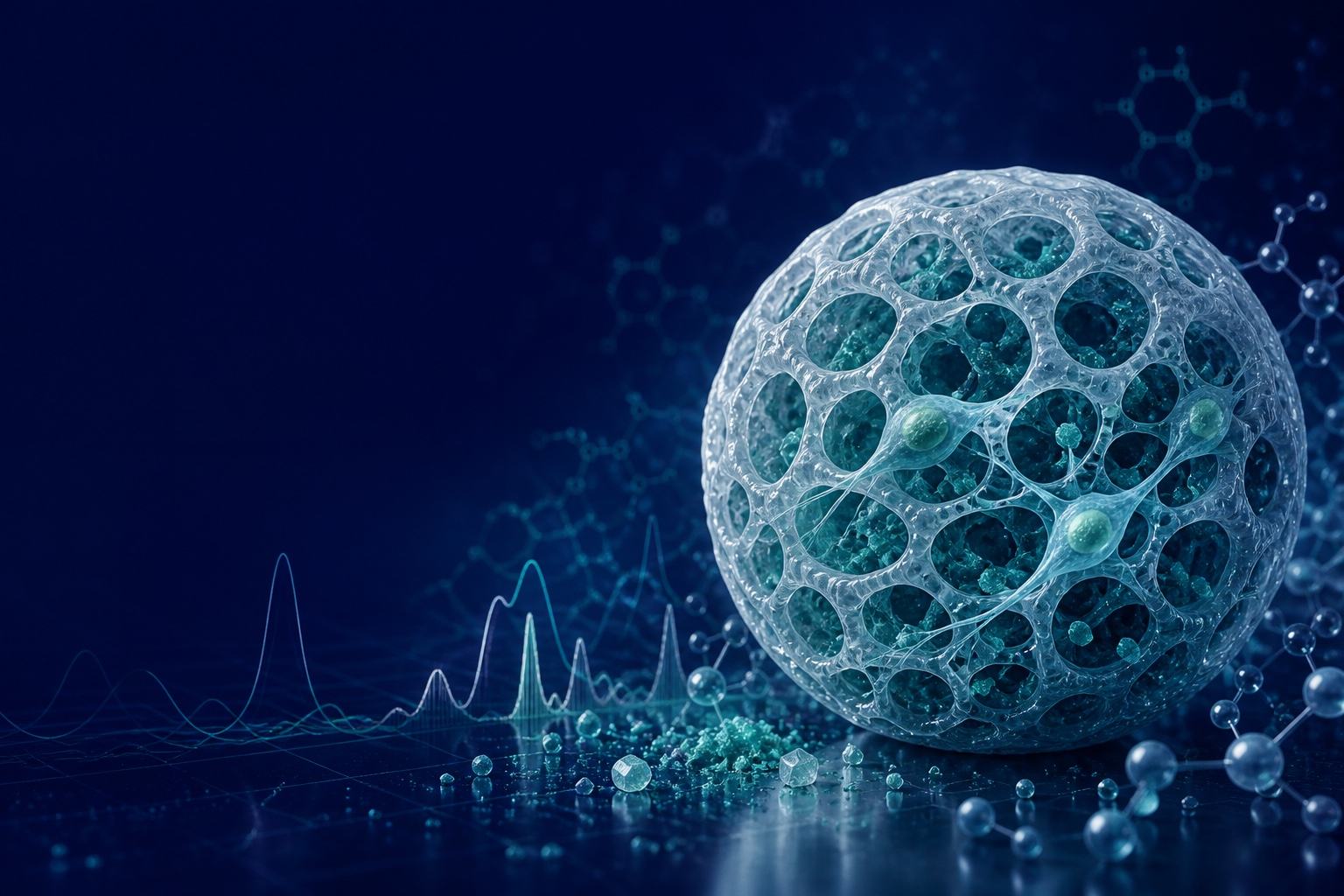
Development of ion-releasing biomaterials for bone regeneration and tissue repair.

Aeronautics Institute of Technology (ITA), Brazil
BBLab integrates chemistry, biology, and engineering to develop advanced biomaterials and biointerfaces for tissue regeneration and clinical translation.
Our Mission
We are dedicated to advancing the frontiers of biomaterials and biointerfaces through the development of bioactive glasses and innovative biofabrication techniques. Our mission is to bridge the gap between fundamental science and clinical application, focusing on regenerative medicine and tissue engineering to create next-generation solutions for human health and sustainable biotechnology.
Research Areas
We explore the intersection of advanced materials and biological systems to drive innovation in regenerative medicine and biointerfaces.
Development of ion-releasing biomaterials for bone regeneration and tissue repair.

Advanced analysis of material interfaces and surface topography for biocompatibility.

Development of polymer-ceramic composites and scaffolds for tissue engineering.

Regenerative medicine and the development of advanced biointerfaces for healing.
Laboratory Platform
BBLab is constituted by three distinct sub-laboratories: the Solid State Chemistry Laboratory (LQES), the Cell Culture Laboratory (LCC), and the Tissue Engineering and Bioprinting Laboratory (LETBip). A fourth environment houses the Multiuser Laboratory of Atomic and Molecular Spectroscopy (LEAM).
 LQES
LQES
Planning and synthesis of bioactive glasses, ceramics, and hybrid biomaterials.
 LEAM
LEAM
Multiuser characterization environment supporting FTIR and spectroscopy workflows.
 LCC
LCC
In vitro biological evaluation and cell-material interaction studies.
 LETBip
Processing, scaffold fabrication, bioinks, and tissue engineering strategies.
Facilities
BBLab combines chemical synthesis, cell culture, biofabrication, molecular characterization, sample preparation, and infrastructure for continuous operation across its LQES, LCC, LETBip, and LEAM environments.
Equipment inventory supporting BBLab research routines and multiuser analyses.
LQES, LCC, LETBip, and LEAM operate as a connected research platform.
Toyama Diesel TDMG60SE3 generator, three-phase 380 V, for energy maintenance and operational continuity.
Controlled cell culture atmosphere and temperature, 37 °C / 5% CO2. Qty: 1
In vitro cell-culture analysis and bioprinting follow-up. Qty: 1
Sterile handling and protection against biological contamination. Qty: 1
Controlled storage and conservation of inputs and reagents. Qty: 1
Storage of reagents, enzymes, antibodies, and PCR kits. Qty: 1
Ultra-low-temperature storage of biological samples. Qty: 1
Refrigerated storage of media and buffers. Qty: 1
Temperature-controlled microvolume centrifugation. Qty: 1
Rapid spin-down and precipitation of microtubes. Qty: 1
Orbital shaking with heating and cooling for microplates. Qty: 1
Gel visualization and UV transillumination at 254/365 nm. Qty: 1
High-precision pH/mV measurements with automatic electrode recognition. Qty: 1
pH and electrical-potential measurements in solutions. Qty: 1
Regulated benchtop source for electrochemical and electrical assays. Qty: 1
Continuous voltage/current source for electrophoresis tanks. Qty: 1
High-vacuum generation for lyophilization, filtration, or desiccation. Qty: 1
Vacuum sublimation drying of thermosensitive samples. Qty: 1
Stirring and heating of solutions on ceramic plate. Qty: 3
Homogenization and heating of reagents on circular plate. Qty: 5
Tissue engineering and hydrogel bioprinting. Qty: 1
Steam-pressure sterilization of glassware and media. Qty: 1
Rapid sterilization of small volumes and materials. Qty: 1
Glassware drying and dry sterilization of materials. Qty: 1
Indirect heating of glassware and solutions. Qty: 1
Infrared spectroscopy for molecular characterization. Qty: 1
Preparation of solid samples for FTIR analysis. Qty: 1
Relative-humidity control in analytical environments. Qty: 1
Electrical protection and power backup for sensitive instruments. Qty: 1
Room monitoring and operational/patrimonial security. Qty: 1
Temperature and relative-humidity monitoring. Qty: 1
Featured Projects
Current research initiatives at BBLab focus on the development of advanced biomaterials and biointerfaces for regenerative medicine.
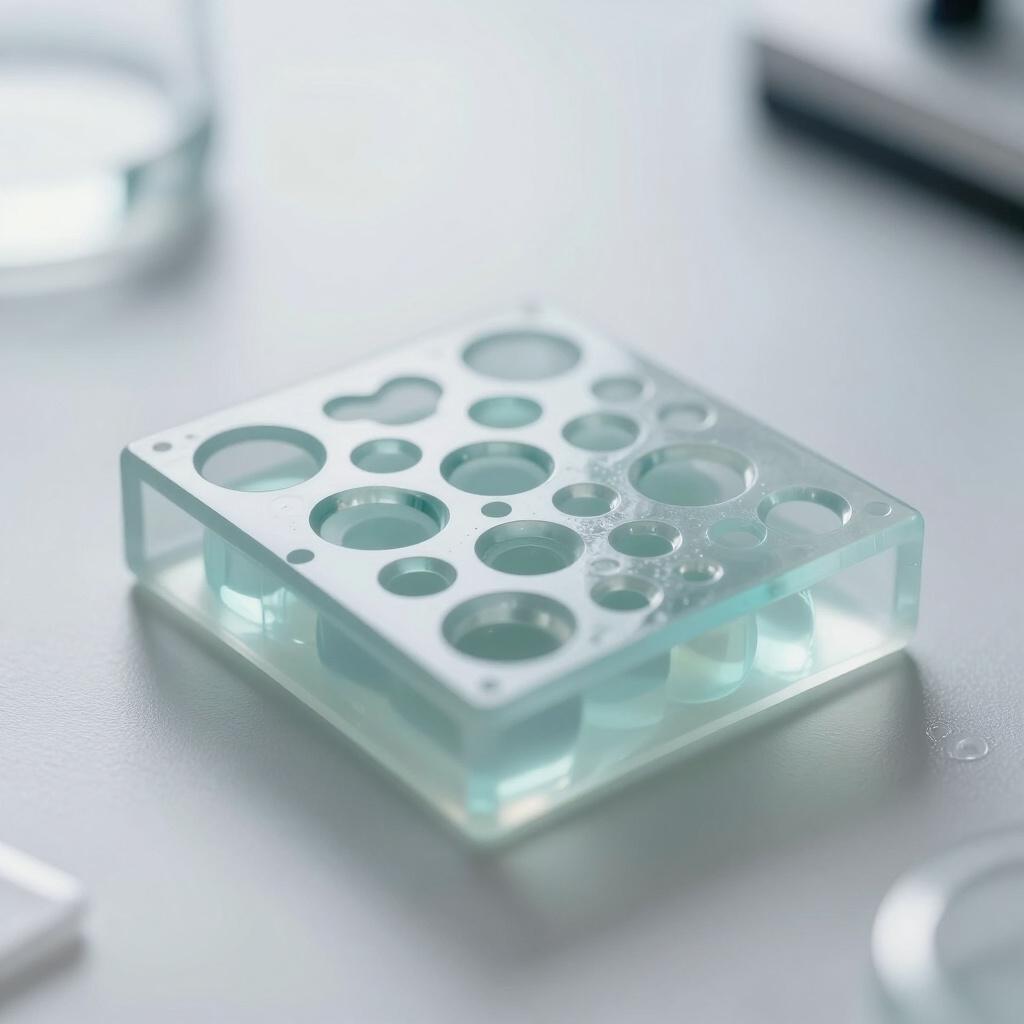
Ion-releasing glass systems for tissue integration, repair, and therapeutic response.
Architected scaffolds and bioinks for regenerative applications and tissue engineering.
Hybrid biomaterials designed for performance, stability, and biomedical compatibility.
Team
The BBLab team brings together research leadership, PhD students, MSc students, and alumni working across bioactive glasses, biointerfaces, biofabrication, spectroscopy, and regenerative medicine.
Join our research efforts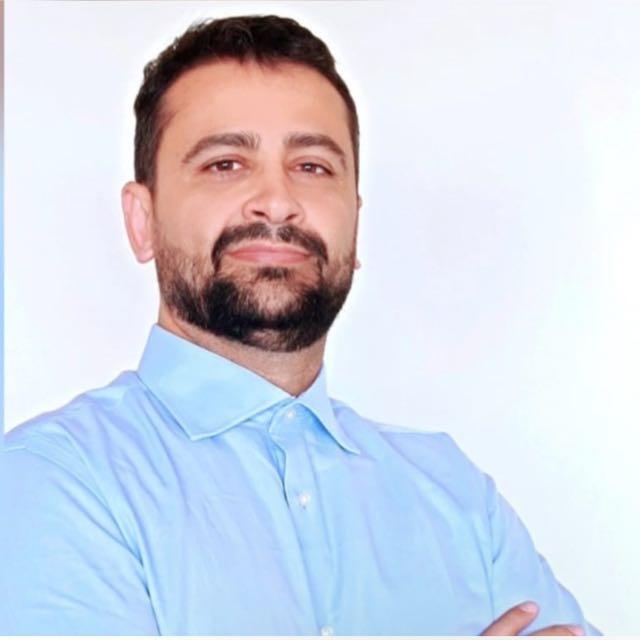
Principal Investigator, Research Leader, and Laboratory Coordinator at BBLab. His research focuses on advanced biomaterials and biointerfaces for regenerative medicine, with emphasis on bioactive glasses and biofabrication.
Funding: CAPES

Funding: CAPES

Funding: FAPESP
Funding: FAPESP

Funding: CNPq

Funding: CNPq

Funding: CAPES

Funding: No scholarship

Funding: FAPESP

Funding: CNPq
Funding: No scholarship

Funding: PIBIC-CNPq

Funding: PIBIC-CNPq

Funding: FAPESP

Funding: PIBIC-CNPq
MSc dissertation completed in 2023 at ITA.

PhD thesis completed in 2018 at UNIFESP.
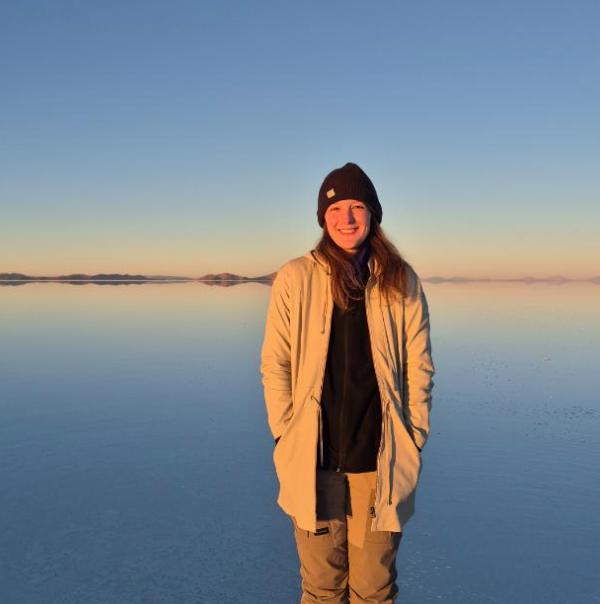
Final undergraduate project and scientific initiation in biomaterials.

Scientific initiation projects on mesoporous bioactive glasses.

Scientific initiation projects in silica systems and smart bioinks.

Scientific initiation projects in multifunctional biomaterials.
Events & Gallery
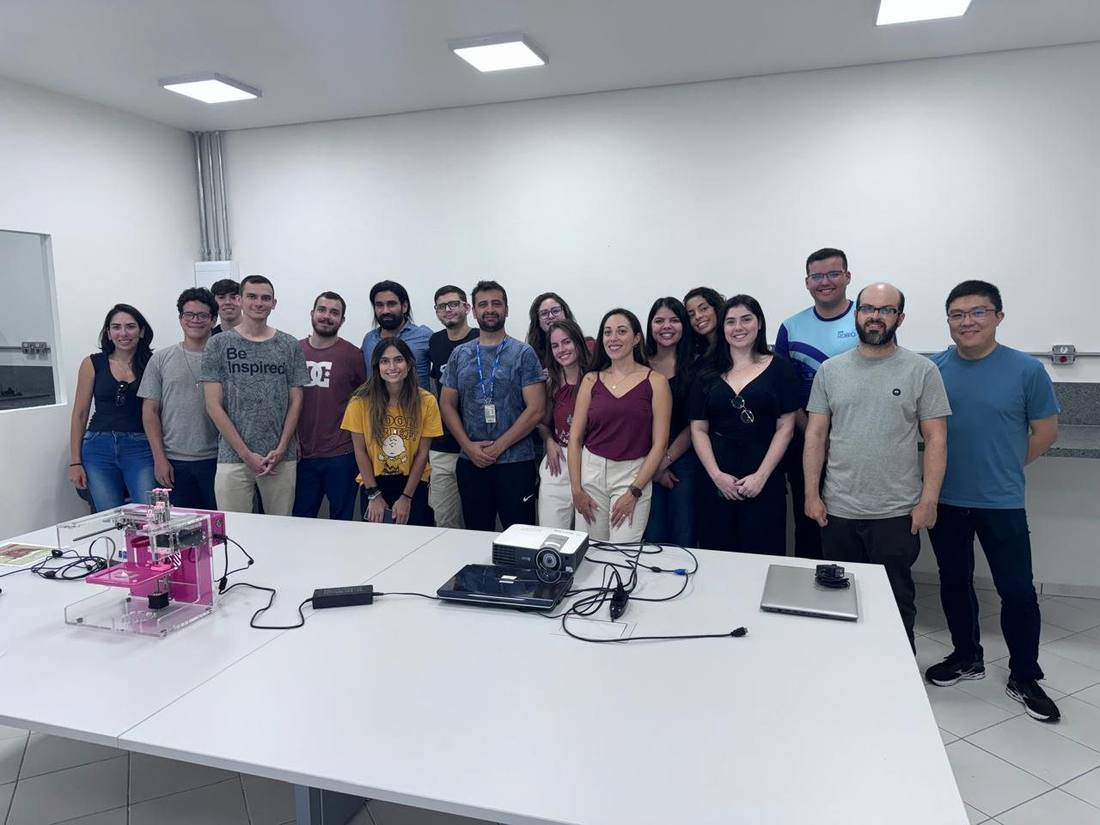
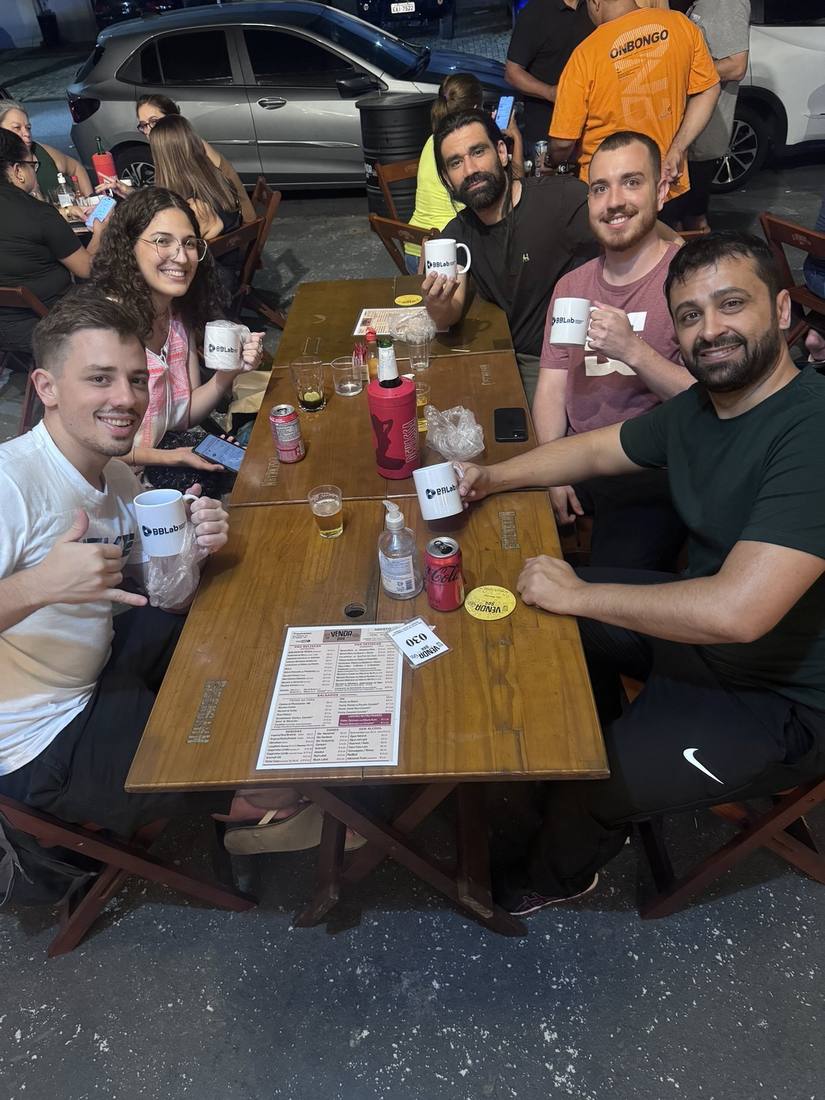
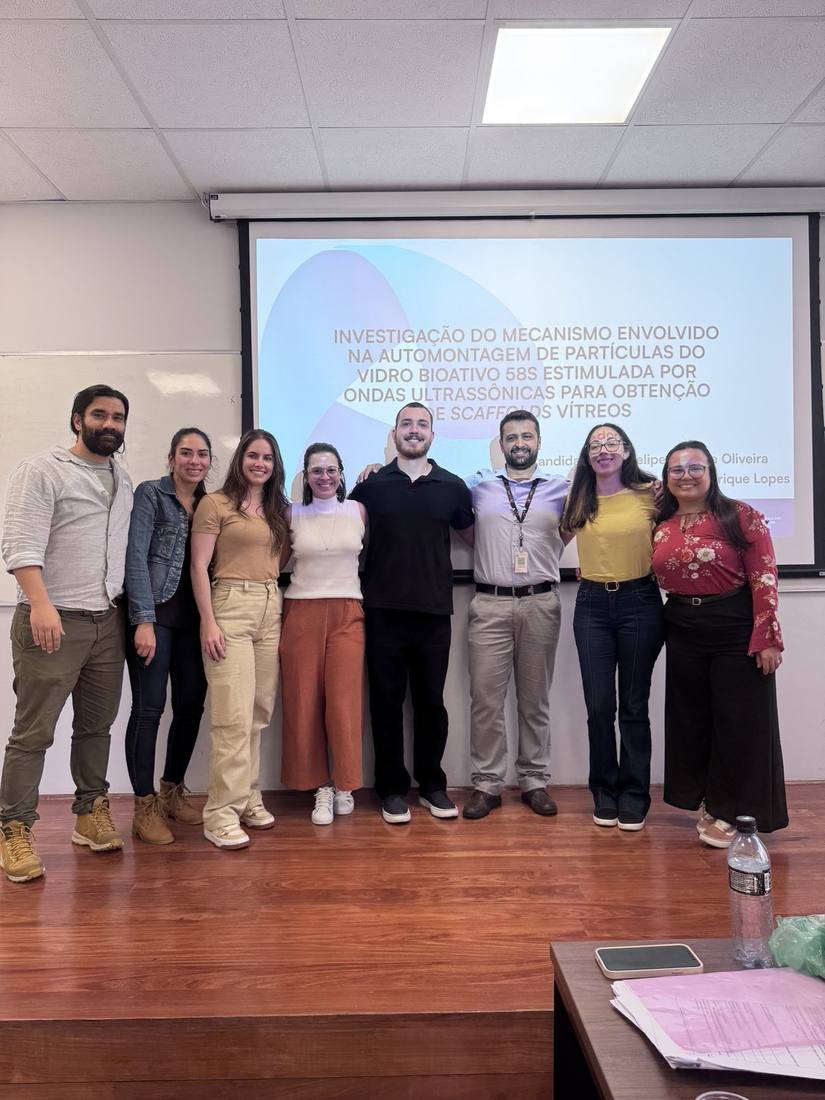
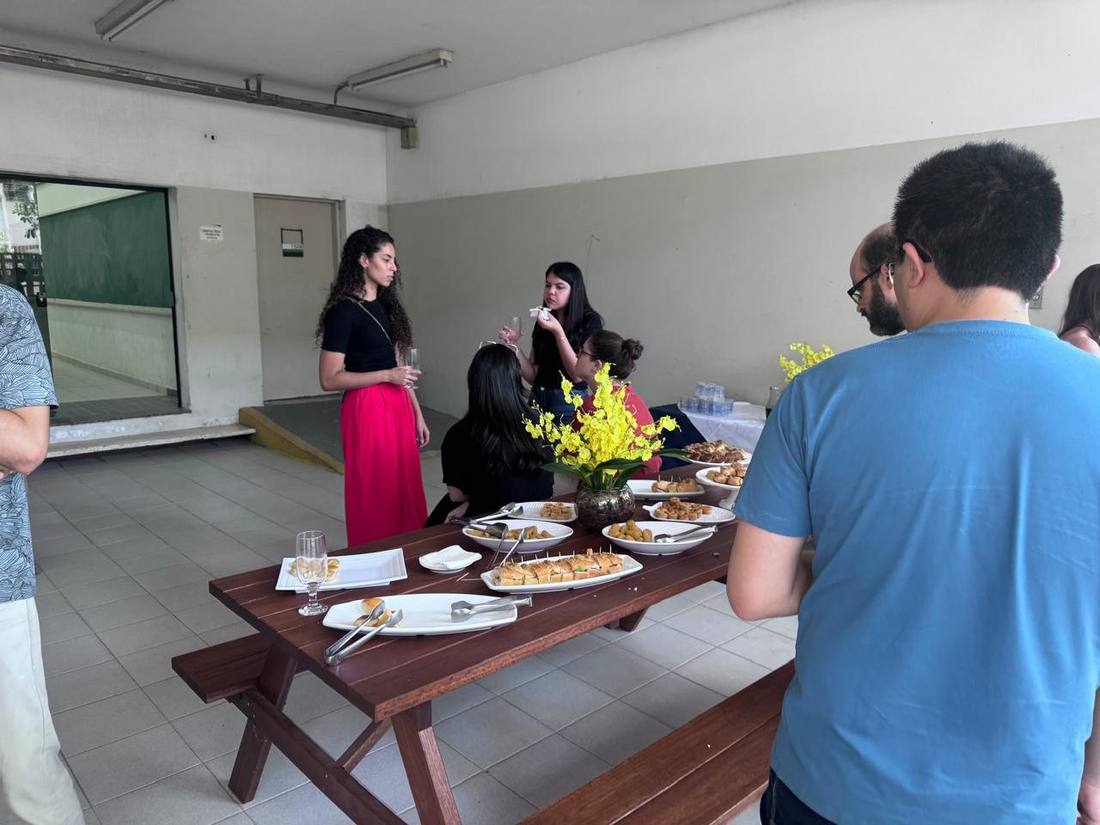
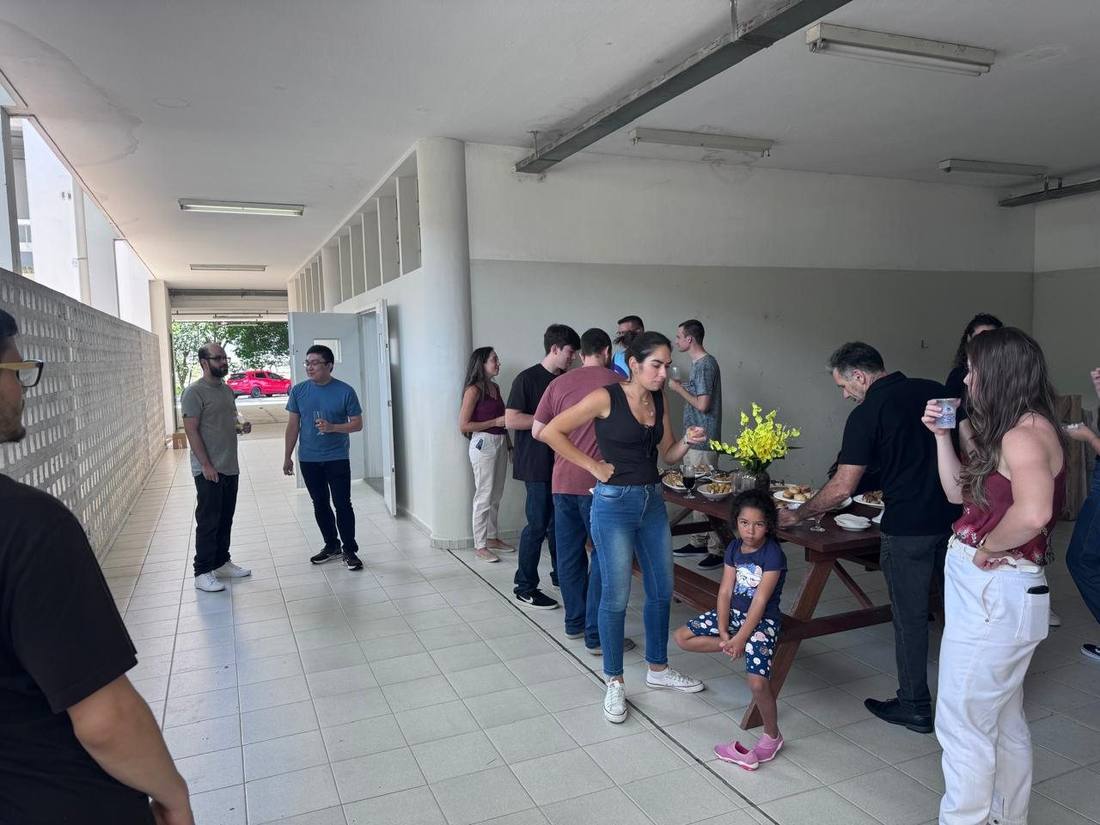
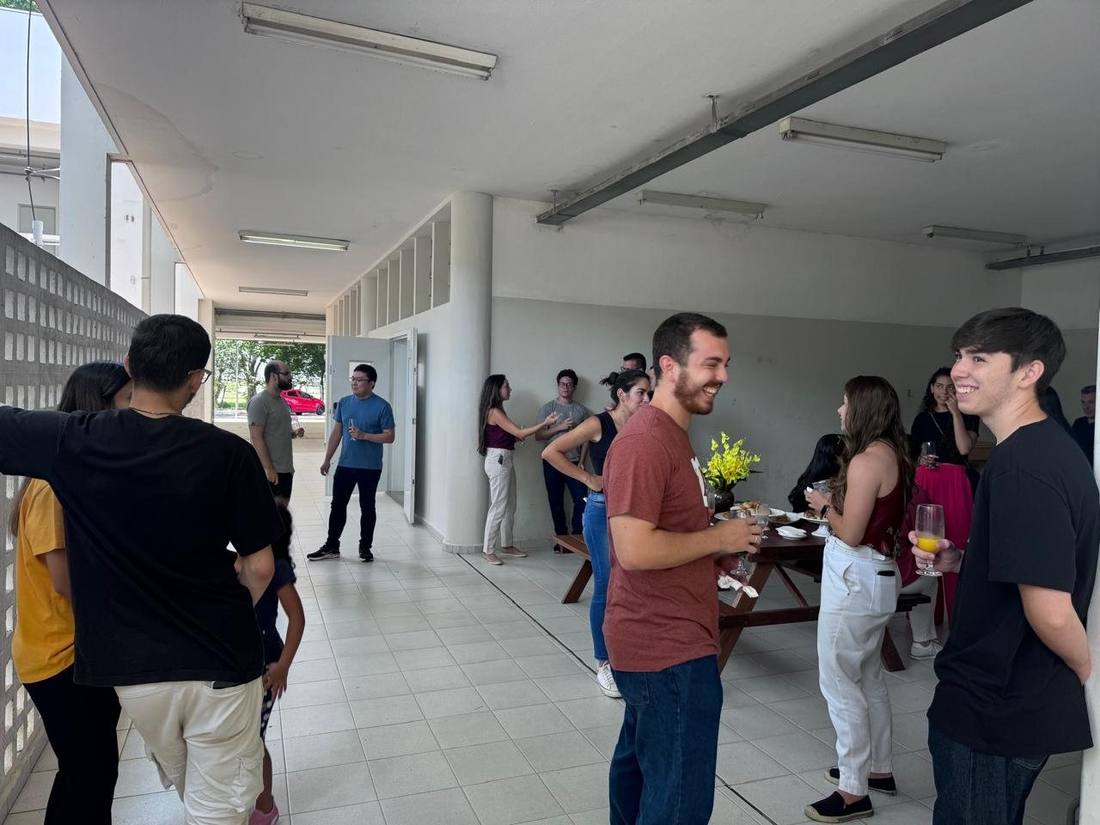
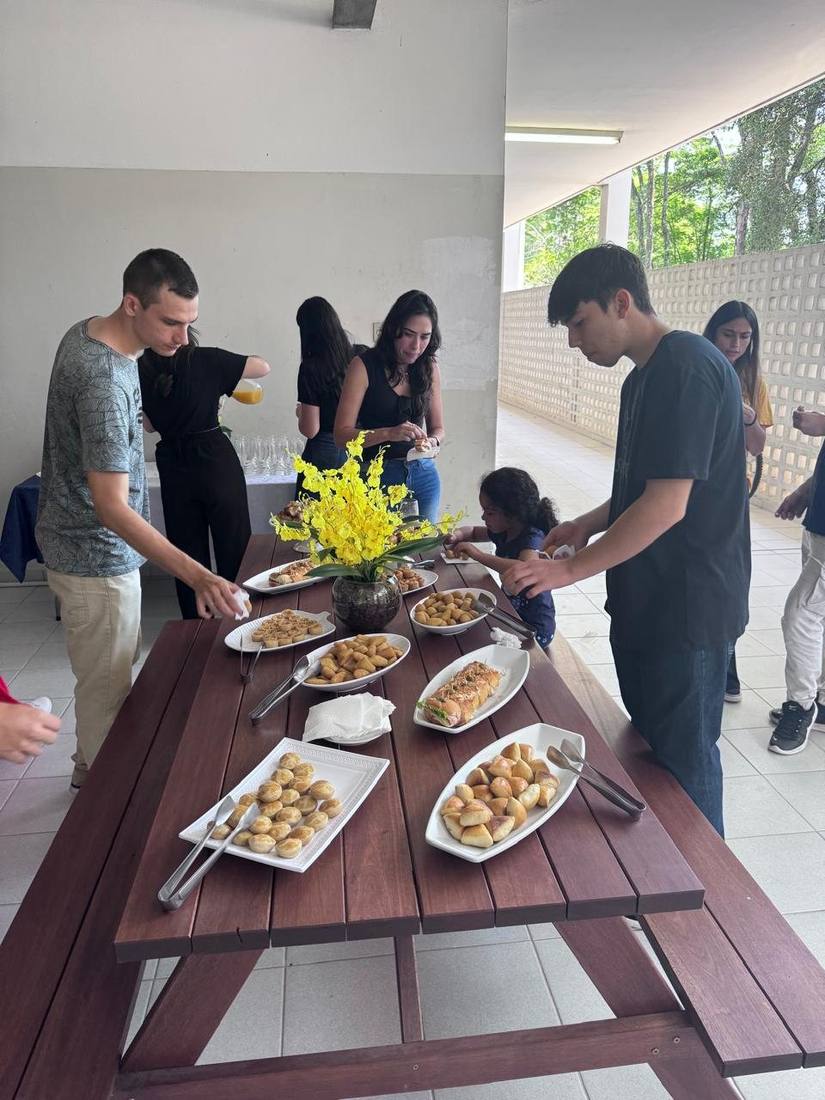
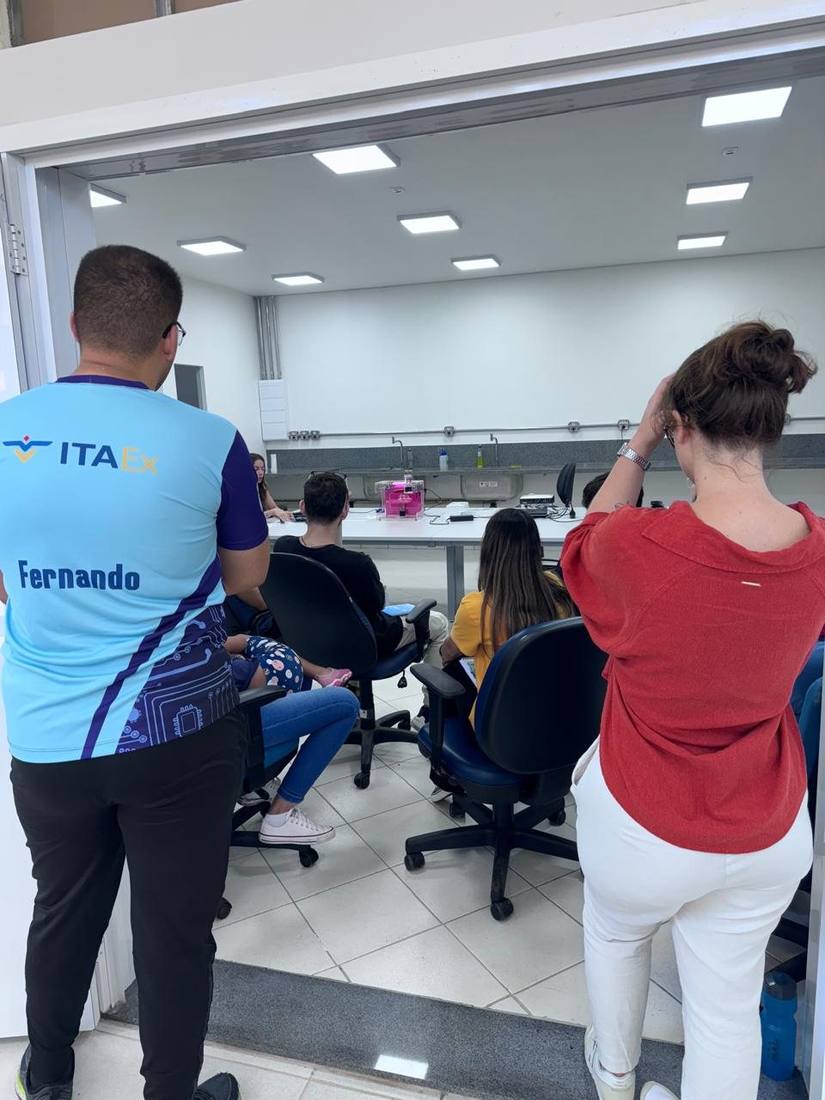
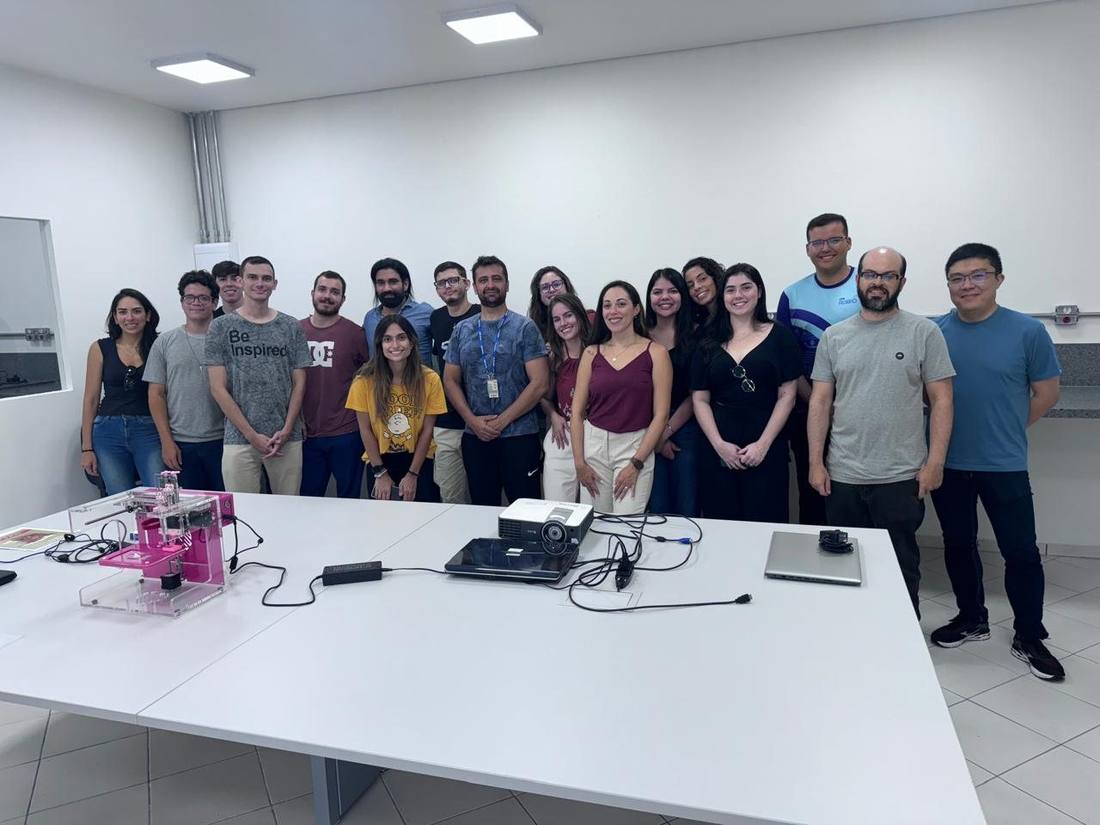
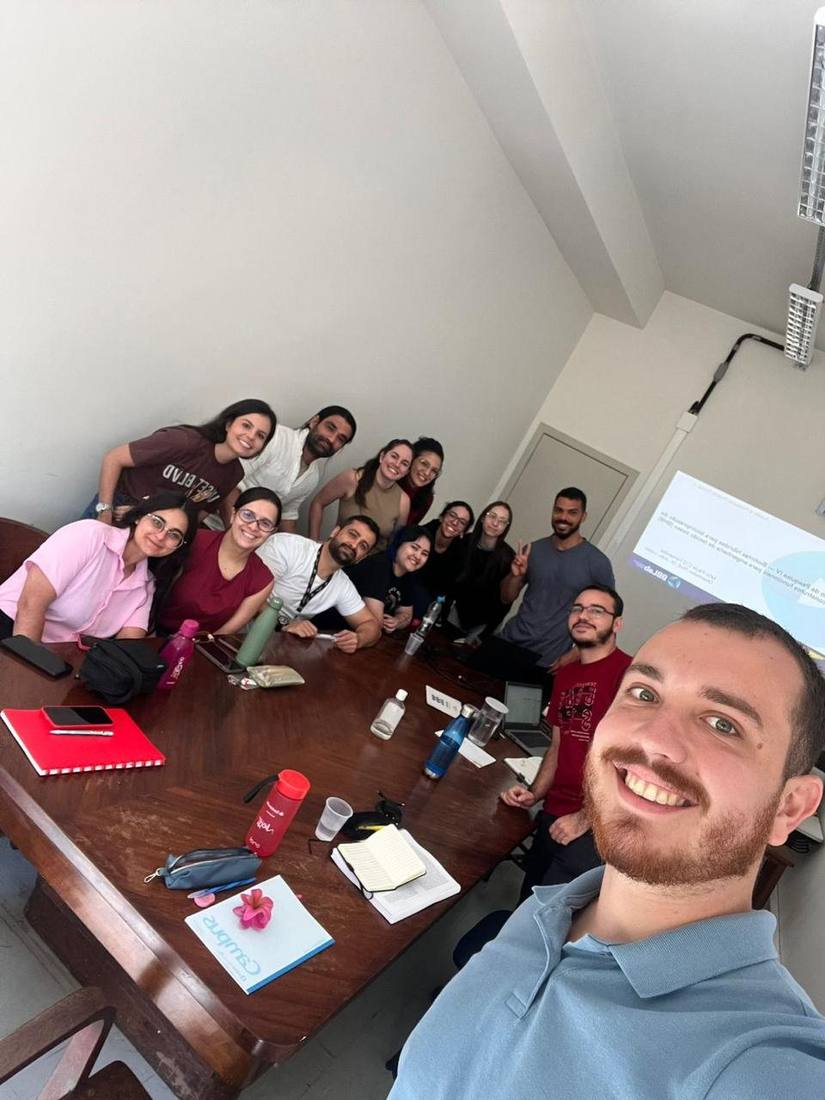
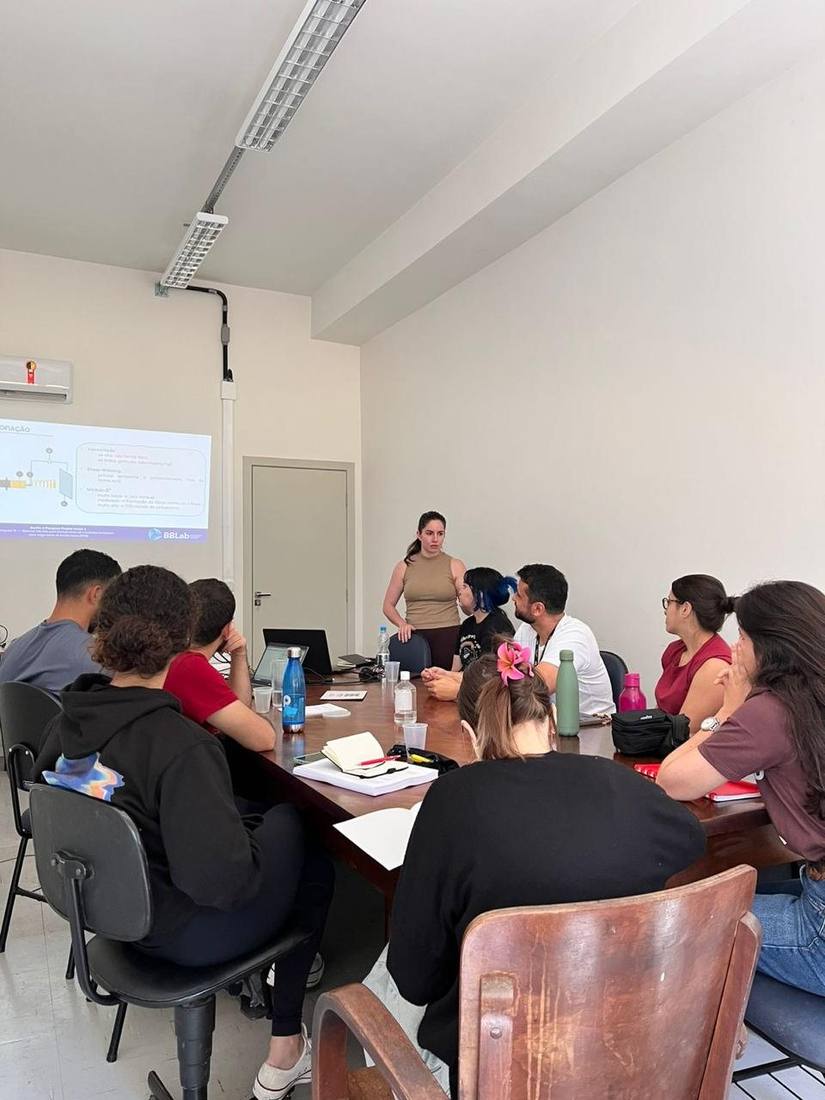
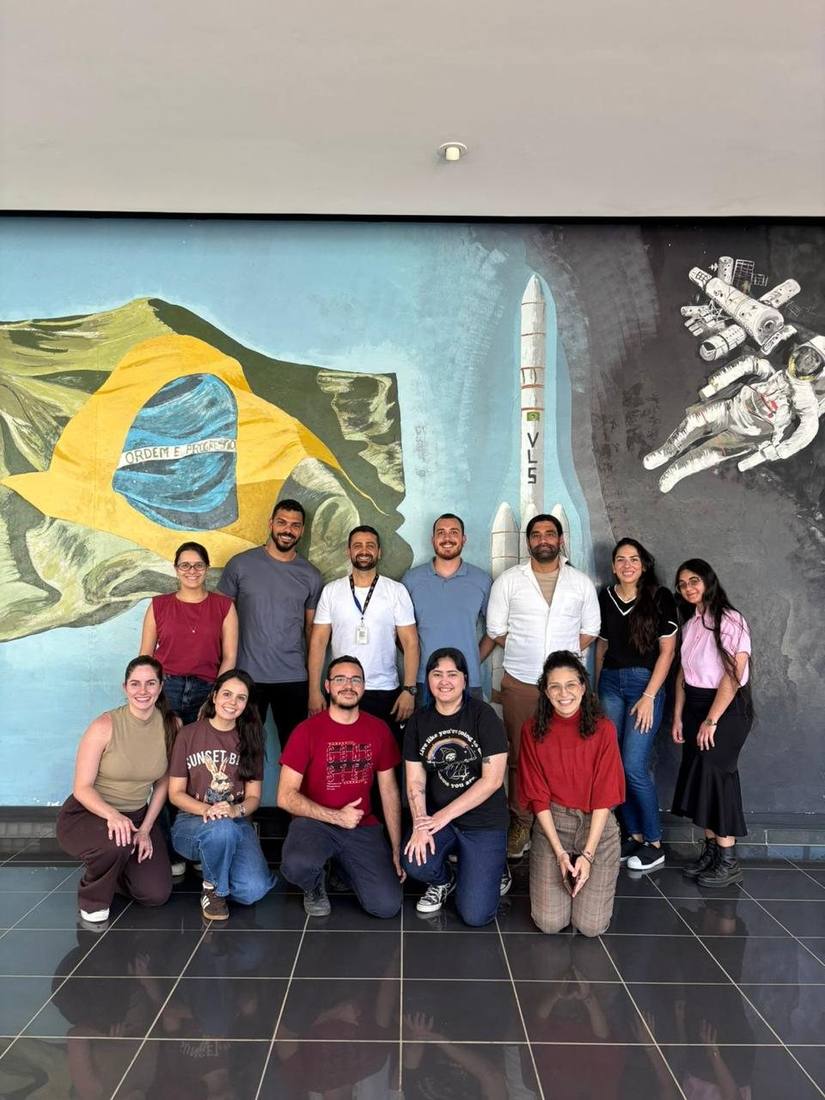
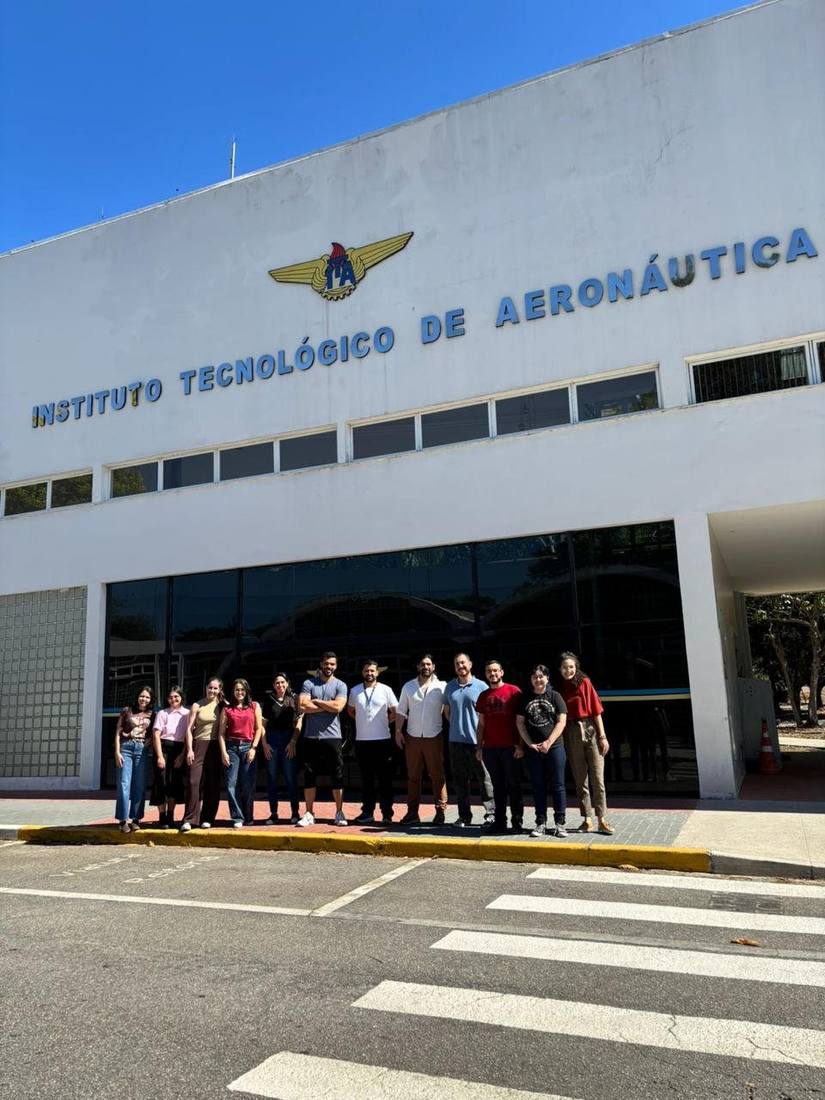
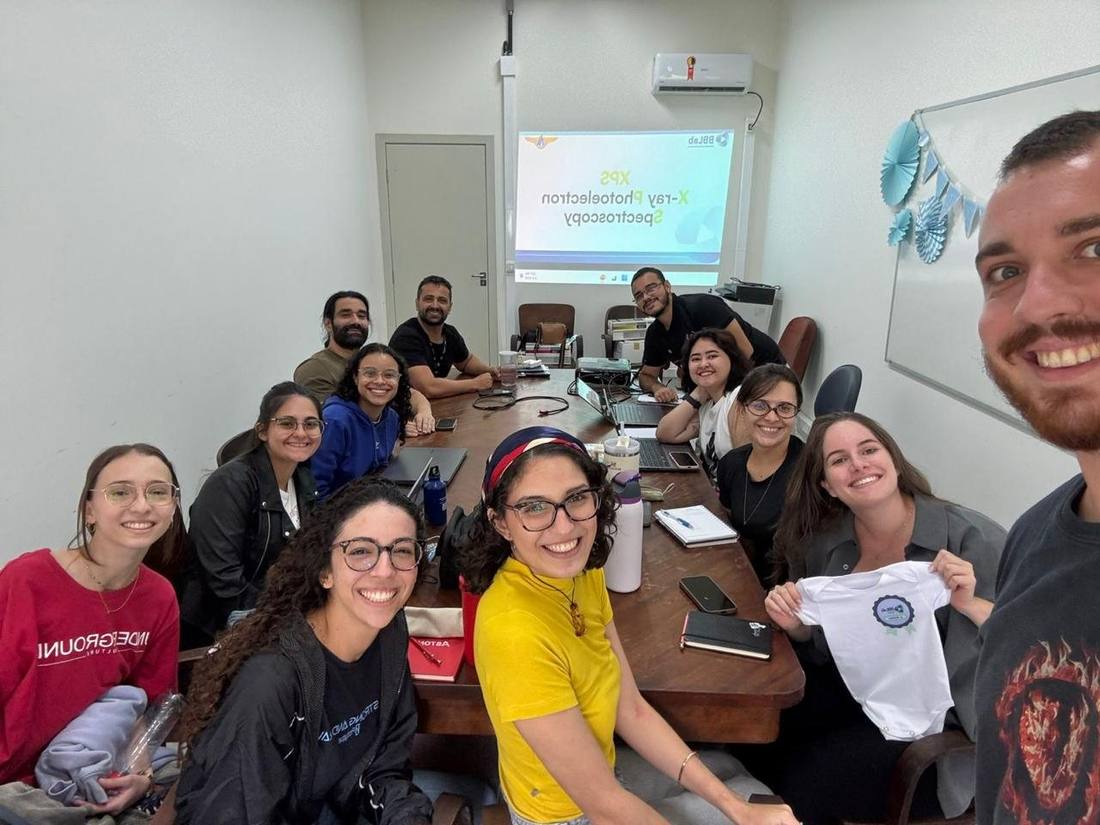
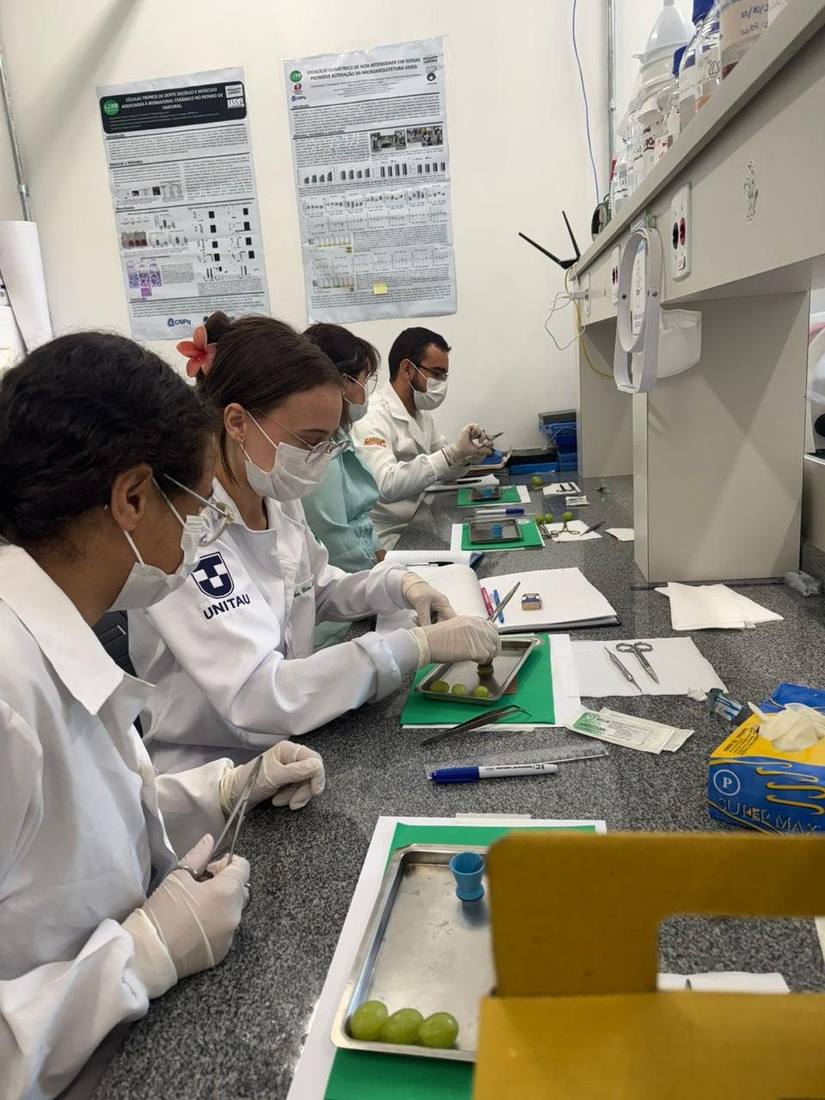
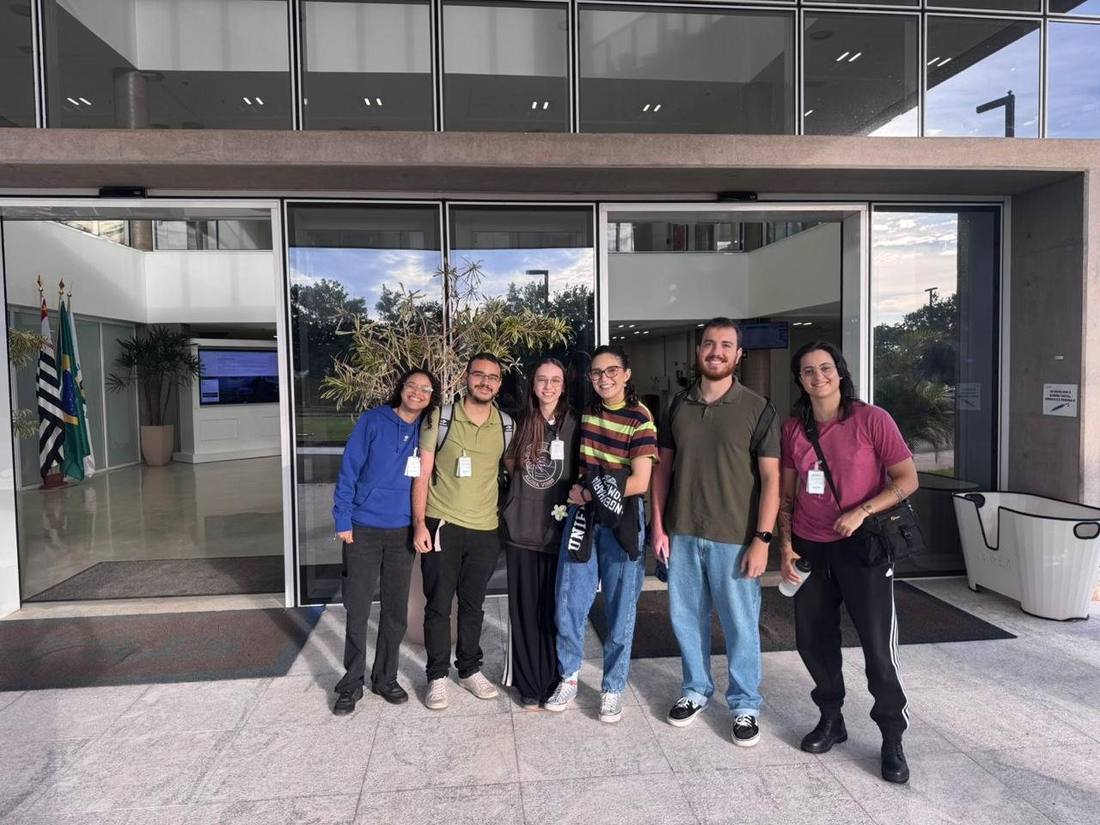
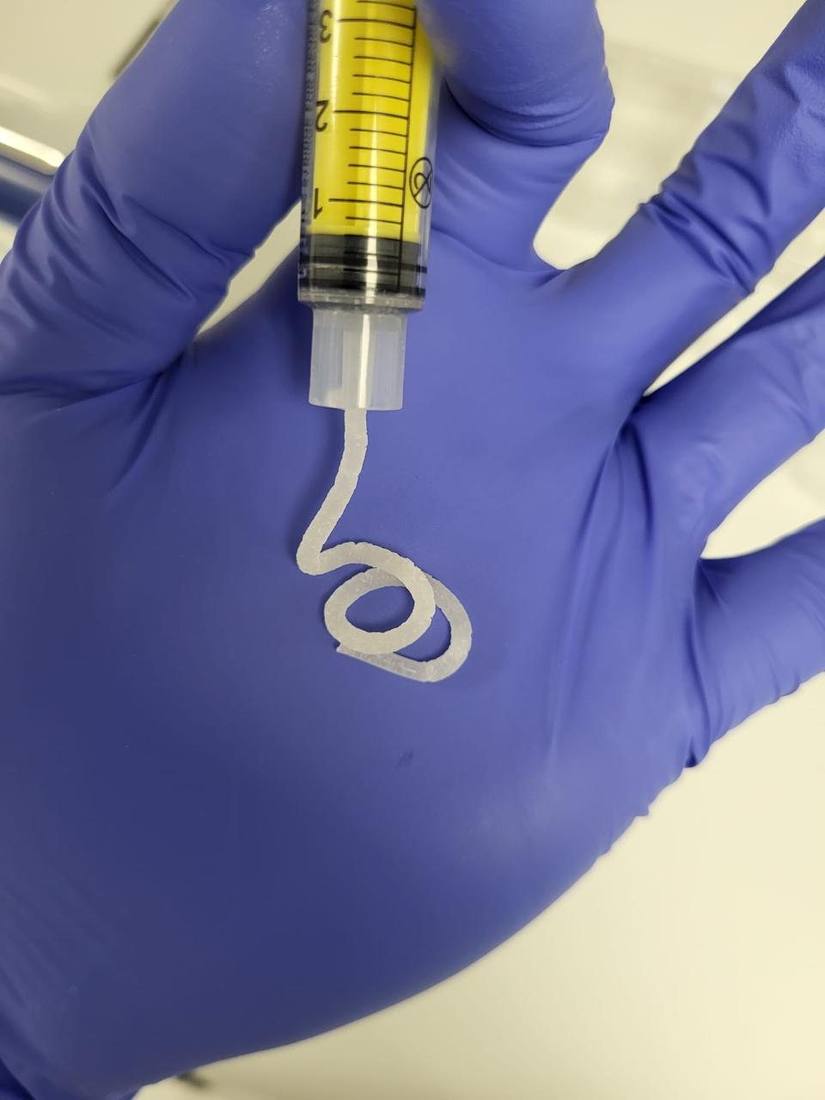
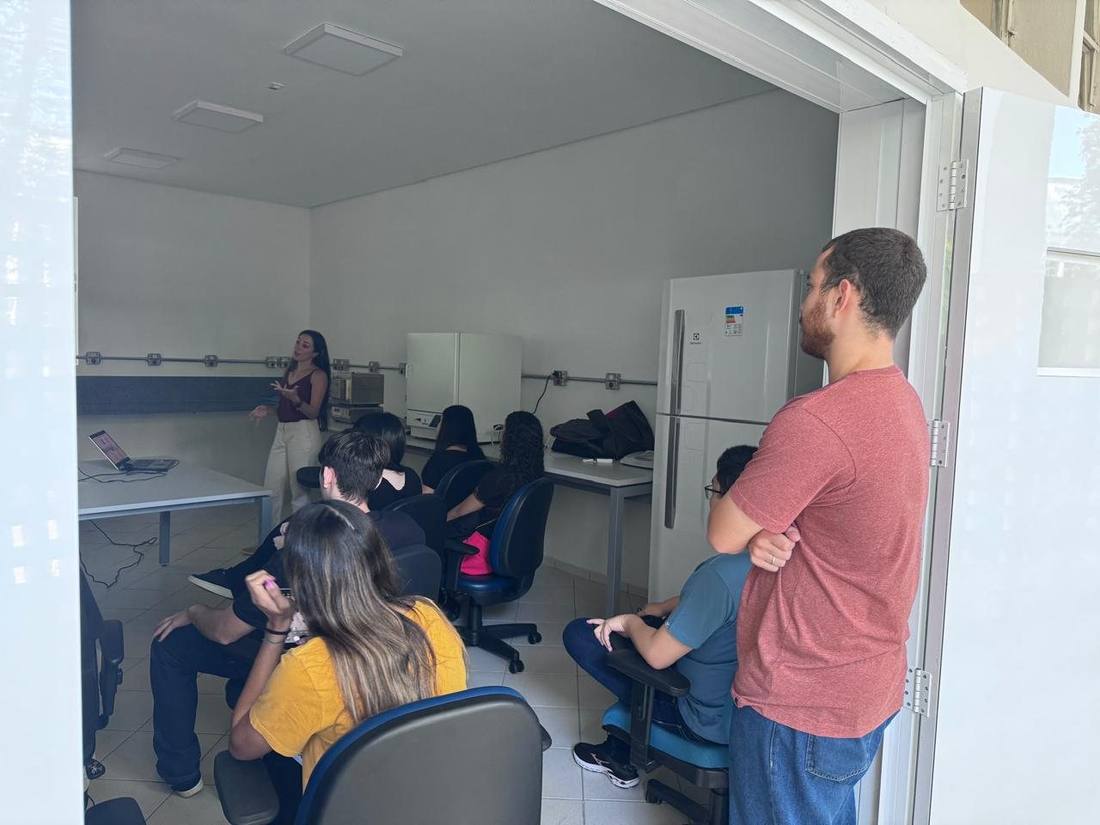
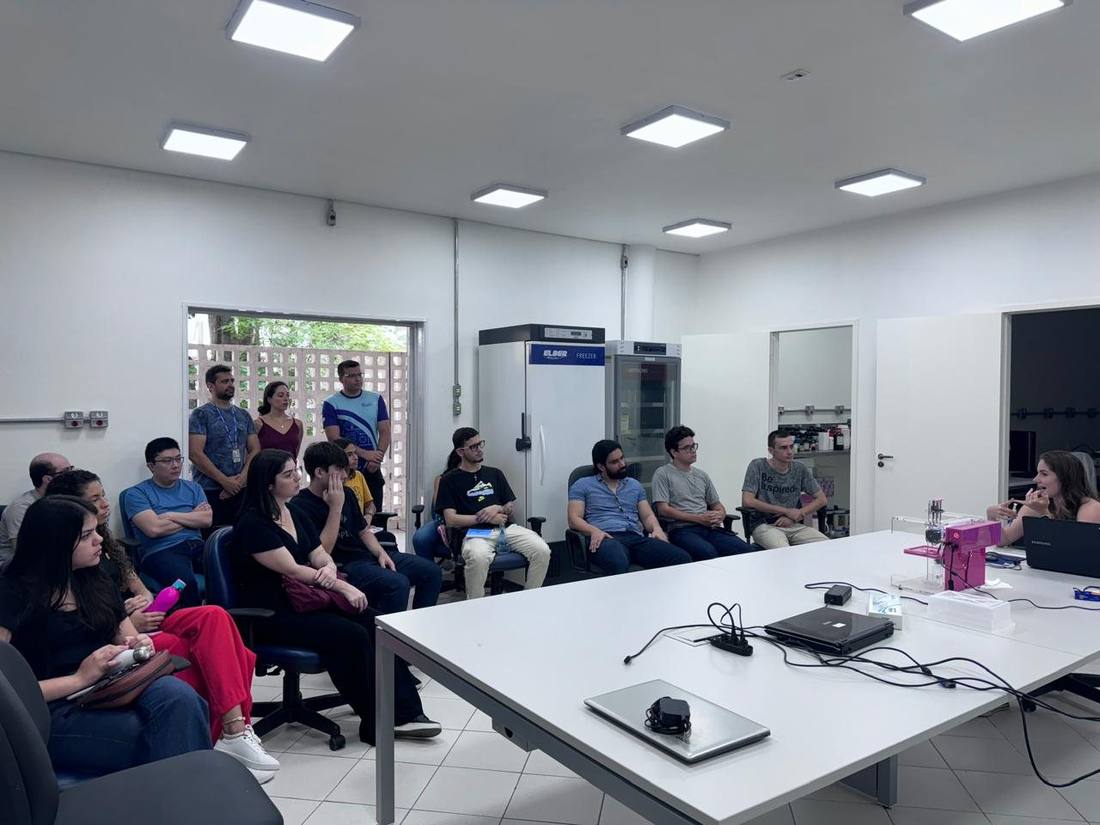
A compact archive for BBLab meetings, workshops, training moments, and visual records from the laboratory community, with highlights shared through the official Instagram channel.
The next edition is planned for October 2026, continuing the BBLab workshop series dedicated to bioengineering, biomaterials, and regenerative medicine at ITA.
@bblab.itaSelected images from workshops, lab routines, student activities, visiting researchers, and group gatherings.

Publications
Full record provided by the principal investigator, organized from most recent to earliest, with DOI links where available.
International Journal of Applied Ceramic Technology, 23(3), e70210
10.1111/ijac.70210International Journal of Biological Macromolecules, 316(Pt 2), 144720
10.1016/j.ijbiomac.2025.144720Materials Today Chemistry, 43, 102447
10.1016/j.mtchem.2024.102447ACS Applied Nano Materials, 8(4), 2033-2045
10.1021/acsanm.4c06941Journal of Non-Crystalline Solids, 638, 123059
10.1016/j.jnoncrysol.2024.123059ACS Applied Polymer Materials, 6(7), 3708-3720
10.1021/acsapm.3c02851Tissue Engineering Part A, 29(13-14)
ACS Applied Materials & Interfaces, 14(40), 45156-45166
10.1021/acsami.2c12102Frontiers in Bioengineering and Biotechnology, 10, 910203
10.3389/fbioe.2022.910203Ceramics International, 48(6), 8039-8050
10.1016/j.ceramint.2021.12.005Materials Science and Engineering: C, 123, 111853
10.1016/j.msec.2020.111853Materials Science and Engineering: C, 120, 111759
10.1016/j.msec.2020.111759Journal of Biomedical Materials Research Part B: Applied Biomaterials, 108(4), 1372-1387
10.1002/jbm.b.34486Journal of Biomedical Materials Research Part A, 108(3), 446-457
10.1002/jbm.a.36826Materials Science and Engineering: C, 97, 669-678
10.1016/j.msec.2018.12.022Nanoscale, 11(42), 19842-19849
10.1039/c9nr05383bInternational Journal of Biological Macromolecules, 114, 1279-1287
10.1016/j.ijbiomac.2018.03.136RSC Advances, 7(27), 16460-16466
10.1039/c7ra01309dWaste and Biomass Valorization, 9(4), 669-679
10.1007/s12649-017-0012-0Materials Science and Engineering: C, 72, 86-97
10.1016/j.msec.2016.11.044Materials Science and Engineering: C, 76, 991-996
10.1016/j.msec.2017.03.113Materials Research Bulletin, 89, 42-50
10.1016/j.materresbull.2016.12.046Journal of The Electrochemical Society, 163(10), D615-D621
10.1149/2.0821610jesJournal of the Mechanical Behavior of Biomedical Materials, 62, 10-23
10.1016/j.jmbbm.2016.04.028Google Patents
Bulletin of Chemical Reaction Engineering & Catalysis, 10(3), 237-248
10.9767/bcrec.10.3.8624.237-248Journal of Materials Chemistry A, 3(38), 19282-19287
10.1039/c5ta05397hUNICAMP, Campinas
Particle & Particle Systems Characterization, 31(10), 1091-1096
10.1002/ppsc.201400025Journal of the American Ceramic Society, 97(12), 3843-3852
10.1111/jace.13222Journal of the American Ceramic Society, 96(5), 1464-1469
10.1111/jace.12305Applied Clay Science, 51(3), 385-389
10.1016/j.clay.2010.12.007Journal of Hazardous Materials, 176(1-3), 374-380
10.1016/j.jhazmat.2009.11.040Dissertação, Universidade Estadual de Campinas, Campinas
Applied Catalysis A: General, 357(1), 79-84
10.1016/j.apcata.2009.01.014Collaborations
BBLab connects ITA research infrastructure with clinical, engineering, and materials science partners in Brazil and abroad, supporting projects from biomaterial design to biological and preclinical evaluation.
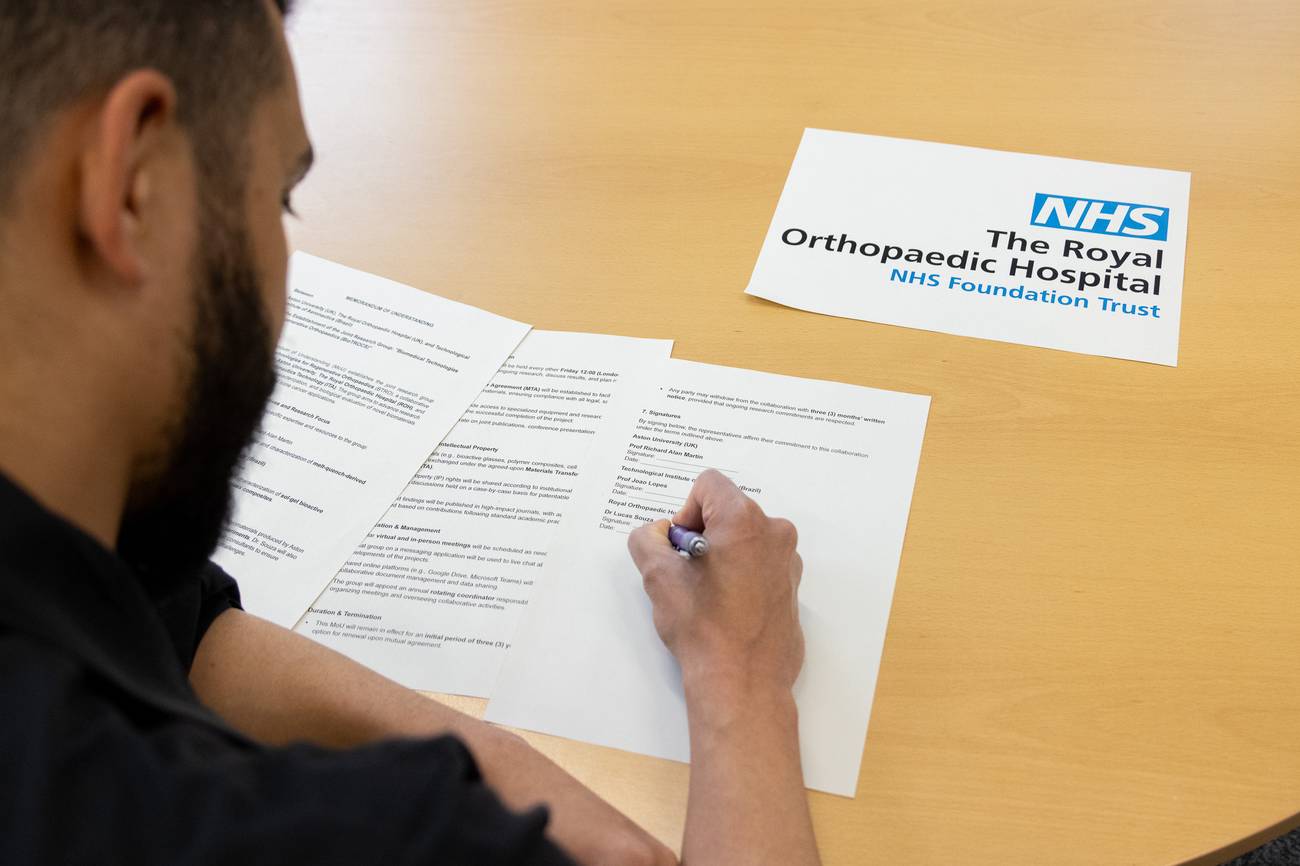
 International Research Group
BioTROCS is a joint initiative between The Royal Orthopaedic Hospital NHS Trust, Aston University, and the Aeronautics Institute of Technology (ITA), with João Henrique Lopes representing ITA in the collaboration.
The partnership formalizes years of joint work on advanced biomaterials, including gallium-based strategies for bone cancer and bone regeneration, and creates a framework for material exchange, shared facilities, and coordinated research communication.

Clinical and translational orthopaedic partner supporting biological testing and alignment with real-world bone regeneration and bone cancer challenges.

Engineering and physical sciences partner focused on manufacturing and characterization of melt-derived bioactive glasses.

BBLab leads sol-gel bioactive glass synthesis, polymer-glass composites, nanostructured biomaterials, and integrated biological evaluation.

National and international network for niobium-based innovation, connected to UFMG and partner institutions across Brazil and abroad.
The PI's publication record shows a sustained network across bioactive glasses, nanocellulose, biomacromolecules, bone regeneration, and spectroscopy.
Funding
BBLab's current portfolio is organized around externally funded project lines that connect materials chemistry, biofabrication, and regenerative medicine.
Advanced bioactive glasses and ion-releasing biomaterials for tissue repair.
3D bioprinting scaffolds and biofabrication routes for regenerative medicine.
Polymer-ceramic composites and collaborative biomaterials infrastructure.
Multiuser FTIR infrastructure located at LEAM for molecular spectroscopy.
Network project on hybrid biodegradable injectable paste for bone cancer therapy and tissue regeneration.
Early Career Research Fellowship supporting BioTROCS translational orthopaedic research.
EMU FAPESP
The EMU FAPESP page presents the FTIR spectrometer, FAPESP process, access policy, committees, user instructions, and scheduling channel.
Location
BBLab is located at the Instituto Tecnologico de Aeronautica (ITA), supporting research visits, facility access, and collaborative meetings in Sao Jose dos Campos, SP, Brazil.
Open in Google MapsContact
Connect with the Biomaterials and Biointerfaces Laboratory to discuss research collaborations, facility access, and student opportunities.